If you have ever stood in a changing room convinced that the problem was you and not the garment, this post is for you. Most women never properly identify their body shape, and instead rely on vague mirror impressions or whatever a magazine quiz told them in 2009. The result is years of buying clothes that technically fit but never quite work.
Why guessing does not work
Body shape is not about being thin or curvy. It is about the relationship between three measurements: your shoulders, your waist, and your hips. Once you know how those three numbers relate to each other, you can predict with real accuracy which necklines, waistlines, and silhouettes will work in your favour, and which ones will fight against you no matter how expensive the fabric is.
The three measurements that matter
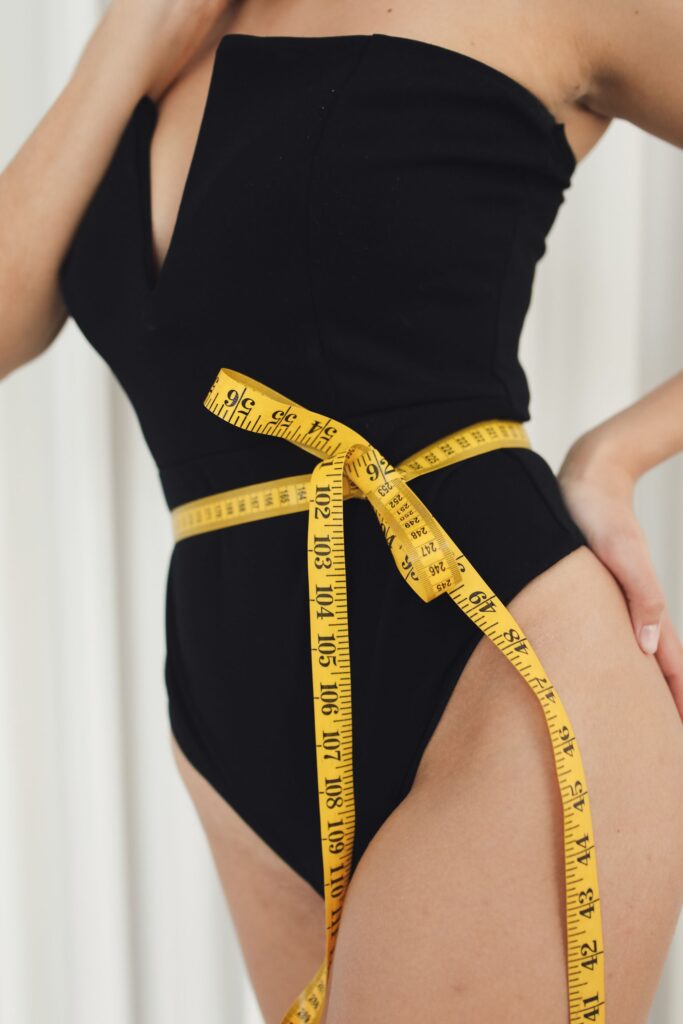
Take these standing relaxed, in your underwear or close-fitting clothing, with a soft tape measure:
- Shoulders: measure across the widest point, from the edge of one shoulder to the other.
- Waist: measure at your natural waist, which is usually just above your belly button, at the narrowest point of your torso.
- Hips: measure around the fullest part of your hips and seat.
What your numbers actually mean
Inverted triangle: your shoulders are more than five percent wider than your hips. Your styling goal is adding visual width below the waist with wide-leg trousers, A-line skirts, and pleated details, while keeping shoulder lines soft rather than structured.
Hourglass: your shoulders and hips are roughly equal, and your waist is noticeably smaller than both. Your goal is almost always to honour that waist definition. Wrap dresses, belted coats, and fitted silhouettes will outperform boxy, shapeless pieces every time.
Rectangle: all three measurements sit within about five percent of each other. Your goal is creating the illusion of a waist through ruching, belts, peplum details, or tonal contrast between top and bottom.
Pear or triangle: your hips are noticeably wider than your shoulders. Your goal is drawing attention upward with statement necklines, structured shoulders, and interesting details above the waist, while choosing bottoms that fall cleanly over the hip rather than clinging to it.
The mistake almost everyone makes
The biggest error is assuming body shape is fixed forever. It changes after pregnancy, after weight changes, after starting a new training routine, and simply as we age. The framework above is not a label you wear for life, it is a tool you re-check whenever your body changes meaningfully. That is exactly why a one-off quiz from a decade ago is not enough, and why I walk every client through a proper hands-on assessment before we touch a single hanger.
What to do with this information
Once you know your shape, shopping becomes dramatically faster. You stop being seduced by a beautiful piece on a mannequin that was never built for your proportions, and you start recognising, often within seconds, whether something is actually going to work for you. That single shift saves most of my clients both money and the emotional fatigue of failed shopping trips.
If you would rather skip the guesswork entirely, a Virtual Consultation takes you through your closet on a discovery call, then gives you a personalised report with shopping links, so you leave with total clarity rather than another framework to half-remember.